
Why Children with ADHD Struggle to Lose at Games


What begins as a harmless game of Ludo can quickly turn into a rather unpleasant family affair. One minute, everyone is enjoying themselves. The next, a child is accusing their sibling of cheating, refusing to accept the result or declaring that they are never playing again.
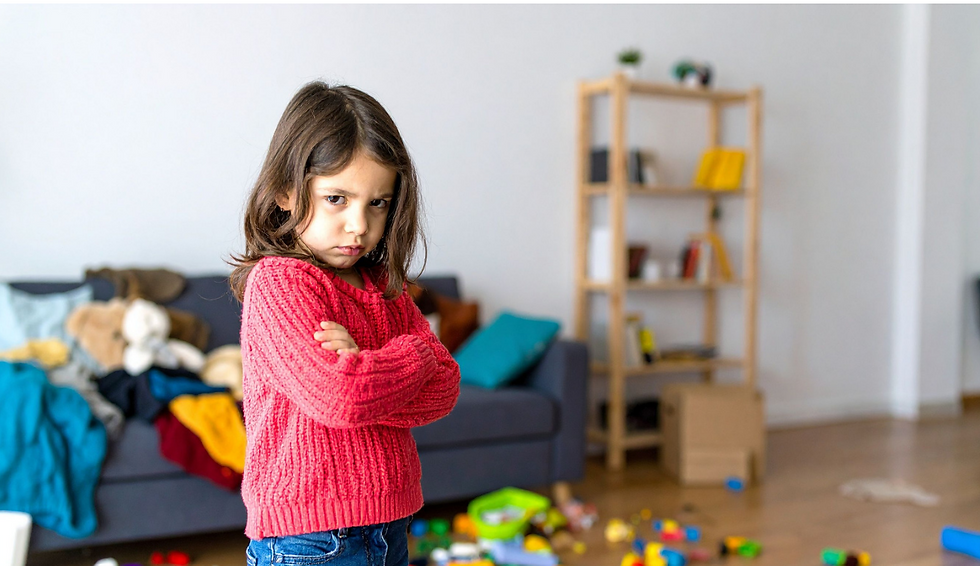
For parents of children with ADHD, this can be a familiar experience. Whether it's a board game, a football match or a simple race to the front door, losing can sometimes provoke a reaction that seems entirely out of proportion to the situation.
But why does losing feel so intense for some children with ADHD? And how can parents help them become more comfortable with the idea that they won't always come out on top?
Why Losing Can Feel Like Such a Big Deal
Nobody particularly enjoys losing. Most adults would probably prefer to win a game of Monopoly, although we've generally learnt to disguise our disappointment when things don't go our way.
Children with ADHD, however, experience emotions far more intensely and find it harder to manage their reactions in the heat of the moment. The frustration of losing can quickly turn into anger or an overwhelming sense of injustice.
Impulsivity can also play a part. A child might shout, throw their cards down or accuse someone of cheating before they've had a chance to process what has happened. Their reaction isn't necessarily a calculated attempt to spoil the game. It may simply be that their emotions have got the better of them.

It's Not Always About Winning
Interestingly, some children become so preoccupied with avoiding defeat that they struggle to enjoy the game itself. They might insist on changing the rules halfway through, refuse to play against someone they consider better than them or give up as soon as it becomes apparent that they're unlikely to win.
From an adult's perspective, this can be infuriating. After all, it's only a game. But telling a frustrated child that it's ‘only a game’ rarely achieves much. To them, at that particular moment, it feels like the most important thing in the world.
The challenge is helping children understand that losing doesn't mean they've failed as a person, and that enjoyment doesn't have to depend entirely on the final result. This is a skill that develops through experience, practice and supportive guidance. It isn't something children necessarily acquire simply because they've been told to be a good sport.
Should You Let Your Child Win?
It's a tempting solution. If losing regularly ends in tears, why not quietly engineer the occasional victory and save everyone the aggravation?
There is certainly nothing wrong with giving younger children opportunities to experience success, particularly when they're learning a new game. Constantly losing against a much more capable adult is unlikely to be especially enjoyable.
However, deliberately allowing children to win every time isn’t the answer. If a child rarely experiences defeat, they have fewer opportunities to practice managing disappointment. They may also develop unrealistic expectations about what happens when they play against siblings or friends who are rather less inclined to let them win.
A better approach is to create a balance. Choose games that give your child a realistic chance of success, while allowing them to experience losing in an environment that feels more controlled.

Another effective approach is to try modelling the behaviour ourselves.
When you lose a game, demonstrate what a healthy reaction looks like. You might say, "I'm annoyed I lost, but it was a really good game," or "That was a clever move. I didn't see that coming!"
This might feel slightly artificial at first, particularly if you're playing Snakes and Ladders for the fourth time that afternoon. Nevertheless, children learn a great deal from observing how adults respond when things don't go their way.
The Bigger Picture
Ultimately, the aim isn't to raise a child who enjoys losing. That would be a rather ambitious expectation, and one that most adults would struggle to meet themselves.
Instead, we want children to recognise that disappointment is a normal part of life, that losing doesn't define their abilities and that difficult emotions don't have to dictate how they behave.
So the next time a family board game ends with an overturned board and someone storming out of the room, remember that the issue may not simply be poor sportsmanship.
It could be an opportunity to help your child develop a skill that will serve them long after the game has been packed away.



Comments